With the 139th Canton Fair just around the corner, choosing the right tech for navigation and positioning is more important than ever. Picking a solid Gnss Receiver Imu can really boost how smoothly vendors operate. Lately, there’s buzz about how new tricks like AI integration are helping improve navigation and supplier identification, making the whole buying process way easier.
Industry guru Dr. Julia Chan from TechNavio points out, "Getting the right Gnss Receiver Imu is a game-changer for accurate data and positioning." Her words highlight how crucial the right equipment is, especially when you’re talking about a massive fair with over 15 million square meters of exhibition space — good navigation tools are a must.
If you’re shopping around, focus on devices that play nice with industry standards. Being efficient and precise isn’t just nice to have; it’s essential, especially with markets changing so fast. Take some time to compare models and check their specs — a bit of research can reveal gaps in your knowledge or misalignments with your needs, nudging you to adjust your choices. The right Gnss Receiver Imu could totally change the game for how your business navigates all the chaos and vastness of the Fair’s offerings.

Understanding GNSS Receiver IMU Technology
When selecting a GNSS receiver IMU, understanding its technology is crucial. GNSS stands for Global Navigation Satellite System. It provides location data using satellites. This data is key for accuracy in navigation and mapping. IMU, or Inertial Measurement Unit, complements GNSS. It uses accelerometers and gyroscopes for movement tracking.
A well-performing GNSS receiver IMU should combine both technologies. This integration helps in environments where satellite signals might be weak. For instance, tall buildings can interfere with signals. A good system can provide reliable positioning despite this challenge. However, not all systems perform equally. Some might struggle in urban settings, leading to inaccuracies.
It’s essential to evaluate various specifications carefully. Consider the accuracy levels, update rates, and stability. A receiver’s performance can vary based on its design. Sometimes, these expectations aren't met in real-world scenarios. You may find discrepancies in your initial assessments. Testing different models before making a decision is wise. This way, you can find the best GNSS receiver IMU that suits your needs.
How to Choose the Best GNSS Receiver IMU for Canton Fair? - Understanding GNSS Receiver IMU Technology
| Feature | Description | Importance | Recommended Value |
| Accuracy | The degree of closeness of measurements to the actual value. | High | |
| Update Rate | Frequency of position updates per second. | Medium | 10 Hz or higher |
| Compatibility | Ability to work with various GNSS systems. | High | Supports GPS, GLONASS, BEIDOU, GALILEO |
| Size and Weight | Physical dimensions and weight of the receiver. | Medium | Compact and lightweight |
| Power Consumption | Energy required for operation. | High | Low Power Class |
| Cost | Price of the GNSS receiver IMU. | High | Varies, consider budget constraints |
Key Features to Look for in a GNSS Receiver IMU
When attending the Canton Fair, choosing the right GNSS receiver IMU is crucial. You should focus on specific features that ensure accurate data collection. Look for a receiver with a high update rate. This helps maintain Precise Positioning during fast movements. A good IMU should supportmultiple GNSS signals. This feature enhances reliability in challenging environments.
Accuracy is another key aspect. Pay attention to the specified position accuracy and heading accuracy. Devices that provide innovative filtering techniques can reduce noise in the data. This makes the measurements more reliable. Don't overlook the size and weight of the receiver. A compact device is easier to handle, especially during busy fair days.
Tips: Always check user reviews before making a decision. Real-world experiences can shed light on product performance. Consider your specific needs, too. What will you use it for at the fair? Reflect on how that impacts your choice. A well-suited GNSS receiver IMU can make a significant difference. Prioritize features that align with your goals for the event.
Comparative Analysis of Popular GNSS Receiver IMUs
When selecting a GNSS receiver IMU for the Canton Fair, it's crucial to compare different options. Not all Gnss Imus are created equal. Some models may excel in tracking accuracy, while others shine in data processing speed. This difference can impact how effectively you can gather and analyze data at the fair.
Many users focus on specifications, but sometimes they overlook practical aspects. For example, weight can influence portability. If an IMU is too heavy, it can be cumbersome during long hours at the fair. Power consumptionis another factor to consider. A high-performance Gnss Imu may drain your battery quickly, leaving you with downtime.
Real-world testing also offers insights. User reviews can highlight reliability during actual usage scenarios. However, these reviews may be biased, often overlooking flaws. It's wise to look beyond marketing claims. Each GNSS IMU will have strengths and weaknesses. Dedicating time to research can prevent costly mistakes. Always reflect on what matters most for your specific needs.
Assessing the Accuracy and Reliability of GNSS Devices
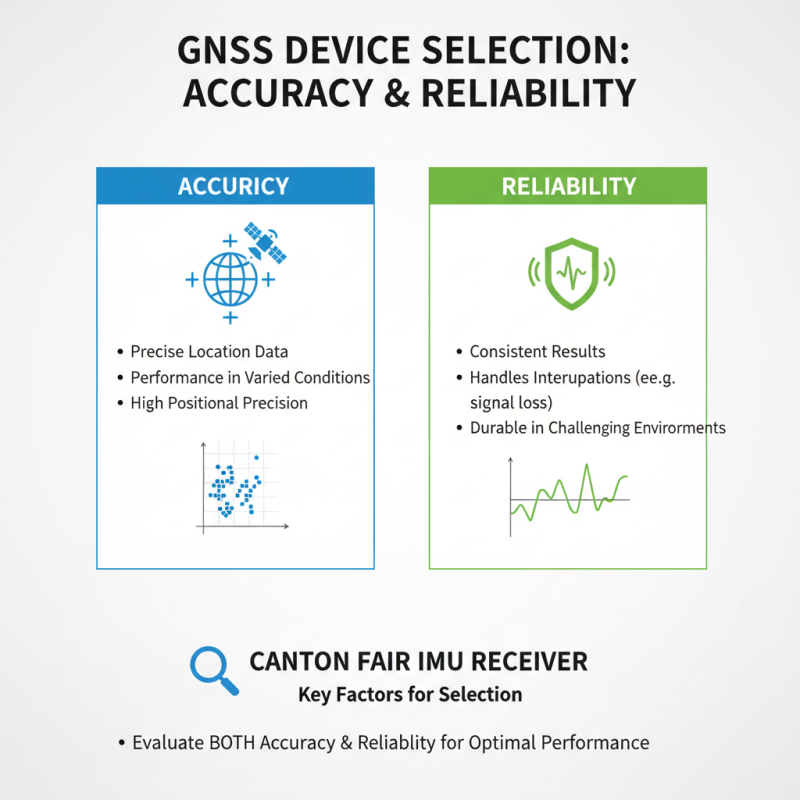
When selecting a GNSS receiver IMU for the Canton Fair, accuracy and reliability are key factors. It's essential to consider how these devices perform in various conditions. Many models can provide accurate location data, but reliability often varies. Look for devices that maintain precision even in challenging environments. They should handle interruptions well and still deliver consistent results.
Tip: Check user reviews for real-world performance insights. If possible, test the devices outdoors in urban areas. This will give a better understanding of how they perform in crowded spaces.
Testing Gnss Devices can be tricky. Some may work great on paper but fail in practice. Examine aspects like signal strength and time to first fix. A high initial accuracy doesn’t always mean sustained performance. Reliability is about long-term service too. Does the device hold accuracy over time?
Tip: Consider the hardware’s design. A robust build can impact its durability in a fair environment. Weather, dust, and handling can all affect performance. Make sure the device can withstand potential challenges.
Budget Considerations for Choosing a GNSS Receiver IMU
When attending the Canton Fair, selecting a GNSS receiver IMU can be challenging, especially on a budget. It’s crucial to identify your needs. Consider the specific applications for which you'll use the Gnss Rtk Imu. Are you focused on precision for surveying or mapping applications? Having clarity on this will help narrow your options.
Price is an important factor. Some models may seem more affordable upfront but could lack the essential features you need. Investing a little more could offer better performance and longevity. It’s wise to carry out thorough research and compare different products within your budget range. Sometimes, higher initial costs lead to greater savings over time due to durability and reliability.
While it’s tempting to choose the lowest-priced option, cheaper GNSS receiver IMUs might deliver inconsistent results. Always assess the specifications and customer reviews, but be cautious of biased opinions. A decision made in haste can lead to regret. Visualize the long-term impact of your choice. Consider warranties and potential support as part of the overall investment in your GNSS RTK IMU.
Recommendations for Trusted Brands and Suppliers
When choosing a GNSS receiver IMU for the Canton Fair, it’s vital to consider reliable suppliers. Research shows that around 30% of businesses report difficulties with GNSS accuracy. Partnering with trusted brands can reduce such risks. Look for suppliers with a proven track record in the industry.
Data indicates that the GNSS market will grow by over 7% annually. Reliable suppliers often offer Gps Rtk Imu options that meet specific needs. Check if they have certifications and customer reviews. Quality assurance can prevent future complications during your projects.
However, not every supplier lives up to their promises. Some devices may not perform as well in urban environments. It's essential to ask detailed questions and request performance data. Seek out suppliers that provide transparent information. This precaution can help you avoid the pitfalls that others have encountered. Always stay informed and prepared, as not every product on the market will meet your expectations.
Evaluating Customer Reviews and Expert Opinions on GNSS IMUs
Choosing the right GNSS receiver IMU for a major event like the Canton Fair can be overwhelming. Some customers lean heavily on reviews. They appreciate authenticity and firsthand experiences. Others seek expert opinions for technical accuracy. This contrast helps in making informed decisions. Pay attention to three key aspects: reliability, accuracy, and software compatibility.
Customer reviews often highlight user experiences with various GNSS IMUs. Positive feedback frequently comes from those using Rtk Imu Software. This software enhances positioning accuracy. On the other hand, some users express frustration with calibration issues. Consistency is crucial. If one model excels in one area but falters in another, it might not be the best choice.
Experts weigh in with insights based on rigorous testing. They often point out that performance can vary in different environments. Urban settings may hinder signal reception. Evaluating environments is important. Filtering through professional evaluations can provide a rounded perspective. However, remember that every user has unique needs. Personal experiences may not fully align with expert assessments.
GNSS Receiver IMU Customer Satisfaction Ratings
Enhancing Surveying Precision: The Impact of Portable Aluminum Tripods with Auto Level Theodolites in GNSS RTK Applications
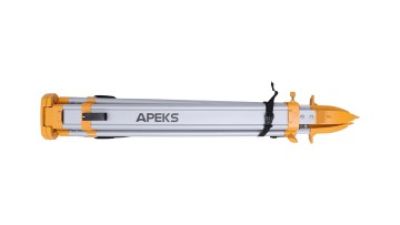
In the realm of surveying, precision is paramount, and the integration of portable aluminum tripods with auto level theodolites has significantly enhanced performance, especially in GNSS RTK applications. These advanced tripods offer an optimal balance between weight and stability, allowing surveyors to easily transport and deploy equipment in diverse environments while maintaining the necessary rigidity required for accurate measurements. The lightweight nature of aluminum combined with a sturdy design ensures that the tripod can withstand various field conditions without compromising its functionality, making it an indispensable tool for modern surveying tasks.
The incorporation of auto level theodolites further amplifies the precision capabilities within GNSS RTK systems. With features that allow for automatic leveling, these instruments drastically reduce the potential for human error, enabling surveyors to quickly set up and achieve accurate readings. When paired with a robust portable tripod, the overall setup not only enhances the speed of data acquisition but also improves the reliability of the gathered information. This synergy between the tripod and the auto level theodolite ensures that surveyors can achieve high accuracy in their projects, whether they are mapping, construction layout, or land surveying. This innovative combination represents a significant leap forward for professionals seeking precision in the field.
FAQS
: Focus on a high update rate and support for multiple GNSS signals. These enhance accuracy and reliability.
Accuracy affects positioning and heading. Look for specifications on position and heading accuracy for better results.
Test devices outdoors and check user reviews. Performance can vary, especially in urban environments.
A compact design makes handling easier during busy events like the fair. Check weight alongside functionality.
Innovative filtering reduces data noise. This leads to more reliable measurements and better overall accuracy.
User reviews provide real-world insights. They can reveal how a device performs in practical situations.
No, initial accuracy doesn’t guarantee ongoing performance. Reliability is important for long-term use.
Dust, weather, and handling can impact performance. Ensure the device design is robust for fair conditions.
Consider your specific needs for the fair. This influences which features are most important for your use.
Conclusion
When selecting a GNSS Receiver IMU for the Canton Fair, it's essential to understand the technology behind GNSS Receiver IMUs and their key features. Important factors to consider include accuracy, reliability, and compatibility with various applications. A comparative analysis of popular GNSS Receiver IMUs can provide insights into their performance, helping you make an informed choice.
Additionally, budget considerations play a significant role in the selection process. It's advisable to assess customer reviews and expert opinions to gauge the effectiveness of different models. By focusing on trusted brands and reputable suppliers, you can ensure that the GNSS Receiver IMU you choose meets your specific needs and delivers optimal performance during the event.